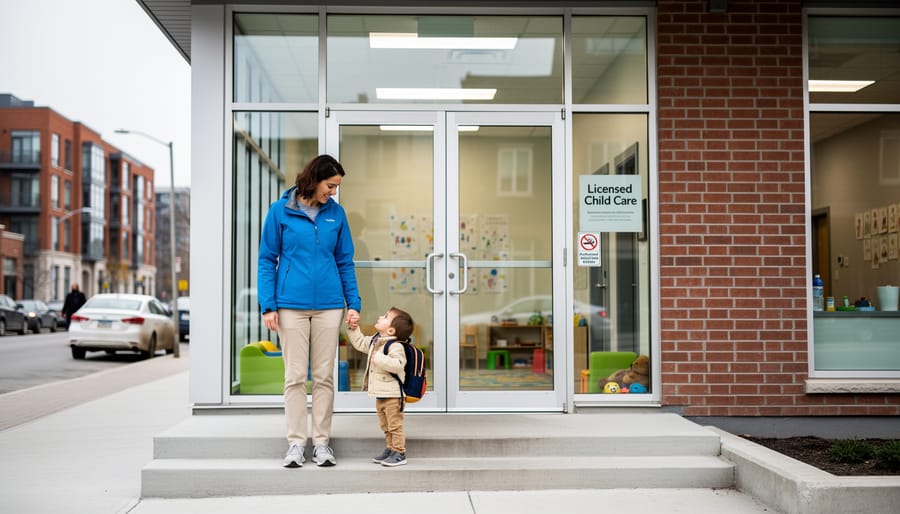
The Child Care and Early Years Act, 2014 (CCEYA) is the Ontario law that sets the rules for licensed child care, and it came into effect on August 31, 2015. If your little one is in a licensed daycare, a home child care agency, or on a waitlist for either, this is the law working quietly in the background.
I’ll be honest, when I first heard “CCEYA” thrown around during daycare tours, I nodded along like I knew exactly what it meant. Most of us do that. The good news is you don’t need a law degree to understand what it means for your family.
There’s also something new to know. Ontario Regulation 197/26 was made under the CCEYA on June 18, 2026, then filed and published on e-Laws on June 23, 2026. That same day, the Ministry of Education sent a memo to child care licensees sharing updates to the Act.
Below, we’ll break down what the law means in plain language, what to ask on your next tour, and where to find trustworthy information.
What Is the Child Care and Early Years Act, 2014 (CCEYA)?
The Short Version for Busy Moms
The Child Care and Early Years Act, 2014 (CCEYA) is the Ontario law behind licensed child care, and it came into effect on August 31, 2015. You don’t need to read it cover to cover, but it’s good to know it exists. It’s the framework licensed programs work within, so understanding the basics can help you feel more confident as you tour programs and ask questions. Think of it as the background support for the care you’re choosing for your little one.
When It Came Into Effect
The Child Care and Early Years Act, 2014 didn’t take effect right away. The CCEYA came into effect in Ontario on August 31, 2015, which is the date that matters if you’re wondering when the rules became official. So if your oldest is a toddler or older, they were likely born around the time the law was already in place, or just before it.
There was one transition detail worth knowing. A private school that provides child care wasn’t required to be licensed under the Act until January 1, 2016, as long as the source’s stated condition was met. That’s the Private schools licensing delay in a nutshell, and it’s the only exception I’d point to here. If you have questions about a specific program, ask the provider directly.
What’s New: Ontario Regulation 197/26
If you’ve been keeping an eye on child care news, here’s the timely bit: a new regulation was recently made under the Child Care and Early Years Act, 2014. It’s called Ontario Regulation 197/26, and the timeline is short and easy to follow.
| Date | What happened |
|---|---|
| June 18, 2026 | Ontario Regulation 197/26 was made under the CCEYA |
| June 23, 2026 | The regulation was filed |
| June 23, 2026 | The regulation was published on e-Laws |
| June 23, 2026 | The Ministry of Education sent a memo to child care licensees sharing updates to the CCEYA |
That’s the full picture of what’s been confirmed. I want to be upfront with you: this article doesn’t get into what the regulation actually changes. I’d rather tell you that plainly than guess and leave you with the wrong idea, especially when it comes to something as important as your little one’s care.
So what can you do with this information? Two simple things.
First, you can read the regulation yourself. The government posts the text on e-Laws, and the Ontario Regulation 197/26 details are there for anyone to read. It’s legal language, so don’t worry if it feels dense. Skim it, and bookmark it for later.
Second, and honestly this is the one I’d lean on most, ask your child care provider directly. Because the Ministry of Education’s memo went to licensees, your provider has likely already seen the updates. A quick, friendly question at drop-off or during a call, something like “Did anything change for families after the recent CCEYA updates?”, is a perfectly reasonable thing to ask. Good providers are used to these conversations, and many moms find a quick chat easier than wading through legislation at 2 a.m. after a night with a baby who won’t sleep.
Why a Law About Child Care Matters to Everyday Families

Licensed vs. Unlicensed Care: Why the Difference Counts
If you’ve ever wondered why people keep asking, “Is it licensed?”, you’re not alone. It’s one of those questions that sounds simple but carries a lot of weight. The Child Care and Early Years Act, 2014 (CCEYA) is the Ontario law that sets the framework for licensed child care, so asking about licensing is really asking whether a program operates within that framework.
That doesn’t mean one type of care is “good” and another is “bad.” Families choose care for all kinds of reasons: budget, schedule, location, a grandparent down the street, or a program that simply felt right. There’s no judgment here.
What the question does is give you information. When you know whether a program is licensed, you know whether the provider works under the Act’s rules, and that helps you ask better follow-up questions. If you’re unsure about a program’s status, ask the provider directly. A good one will happily explain how they operate.
Peace of Mind When You Hand Over Your Little One
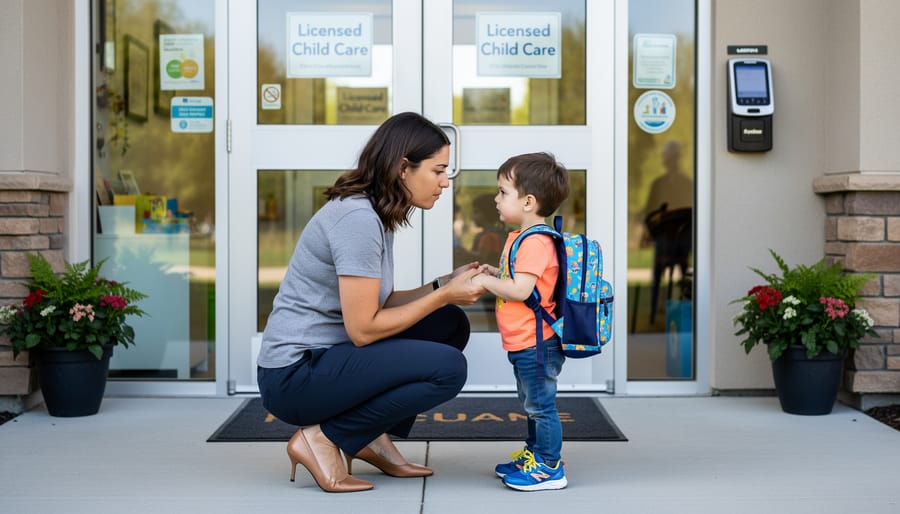
Nobody warns you how loud that first goodbye feels. You hand over your little one, walk out to the car, and suddenly your arms feel strangely empty. I remember sitting in the parking lot, wondering if I’d made the right call.
What helped me was learning that licensed care doesn’t run on good intentions alone. The Child Care and Early Years Act, 2014, which came into effect in Ontario on August 31, 2015, is the legal framework behind licensed child care programs in the province. So while you don’t need to memorize a single section, you can take comfort in knowing there’s a foundation holding things up.
That knowledge won’t erase the lump in your throat, but it can steady you. Pair it with a few good questions at your tour, a deep breath, and a little sanity with toddlers tips from moms who’ve been there, and the next drop-off gets a little easier.
Questions to Ask When You Tour a Child Care Program
Touring a program can feel a bit like a job interview where you’re not sure which side of the table you’re on. I remember clutching my notes and forgetting half of what I meant to ask. So here’s a short list you can screenshot and tuck into your diaper bag.
Start with the basics: “Is this program licensed under the Child Care and Early Years Act, 2014 (CCEYA)?” It’s a simple question, and a good provider will answer it clearly and without hesitation. Follow it with, “How do you keep up with changes to the CCEYA?” Ontario Regulation 197/26 was made under the Act in June 2026, so it’s reasonable to ask how the program learns about updates and passes them along to families.
A few more questions worth bringing along:
– Where can I read the official rules myself? A confident provider will point you to Ontario’s e-Laws.
– What does a typical day look like for the age group my child would join?
– How do you communicate with parents about my child’s day, and about any concerns?
– What happens if my child is sick, or if I’m running late at pickup?
– What are the fees, and do you take part in the child care subsidy system? Our guide to child care subsidy in Toronto can help you sort out what to ask.
Jot down the answers right after each visit, while they’re fresh. And trust your gut. If a place feels warm, open and happy to explain things, that tells you a lot.
Where to Find Official Information and Local Support in Toronto
If you want to read the law itself, Ontario’s e-Laws website is the place to go. That’s where the Child Care and Early Years Act, 2014 and the regulations made under it are published, including Ontario Regulation 197/26, which appeared there on June 23, 2026. The wording can feel dense, so give yourself permission to skim. You don’t need to read every section to feel informed.
For questions about what any of it means in practice, start with the people closest to you. Your child care provider is a great first stop, and it’s perfectly fair to ask how they keep up with changes to the Act. Local child care and family program contacts can also point you in the right direction, and if you’re comparing programs, you can check safety record details to add another layer of reassurance to your search.
And please don’t underestimate the power of other moms. Toronto has plenty of mom-and-baby drop-in activities where you can sit on a floor mat with a coffee, meet other parents, and swap honest tips about child care. Some of my most useful advice has come from casual chats like that, between snack breaks and diaper changes. Check with your local community or family programs for what’s running near you.
Common Questions About the CCEYA
What does CCEYA stand for?
CCEYA stands for the Child Care and Early Years Act, 2014. It’s the Ontario law behind licensed child care in the province.
When did the CCEYA come into effect?
It came into effect in Ontario on August 31, 2015. A private school that provides child care wasn’t required to be licensed under the Act until January 1, 2016, if the stated condition was met.
What is Ontario Regulation 197/26?
It’s a regulation made under the CCEYA on June 18, 2026, filed on June 23, 2026, and published on e-Laws that same day. We haven’t covered what it changes here, so please check the official text or ask your child care provider.
Where can I read the Act?
Ontario’s e-Laws is the place to read the Act and its regulations. If something is unclear or looks like it affects your family, confirm it with official sources or your provider.
I know it can feel like a lot of fine print when you’re already juggling a baby and a to-do list. If you’d like to talk it through with other parents who’ve been there, our guide to Toronto mom communities is a friendly place to start, and no question is too small.
So here’s the big picture, mama: the Child Care and Early Years Act, 2014 (CCEYA) is Ontario’s law for licensed child care, and it came into effect on August 31, 2015. A new regulation, Ontario Regulation 197/26, was made under the Act in June 2026, and the Ministry of Education sent licensees a memo about updates on June 23, 2026. If you want the details, e-Laws and your child care provider are the best places to look.
The good news? You don’t need to be a legal expert to choose good care. Ask whether a program is licensed, ask how they keep up with changes to the Act, and trust that gut feeling you get when you walk through the door.
And please don’t do this alone. Toronto is full of mom-and-baby drop-ins where you can swap tips and swap stories with other parents who are figuring it out too. You’ve got this, and you’ve got a whole community behind you.